Does Tap Dancing Help the Vintage Mind Grow?
by Michael Feeley
Joyfully and scientifically — Yes.
A landmark 21-year study published in The New England Journal of Medicine, led by researchers at the Albert Einstein College of Medicine, examined eleven different physical activities and their effect on cognitive decline. Only one of the eleven significantly reduced the risk of dementia. Dancing — by 76%. The highest risk reduction of any activity studied, physical or cognitive.
Let’s take a look at tap dancing.
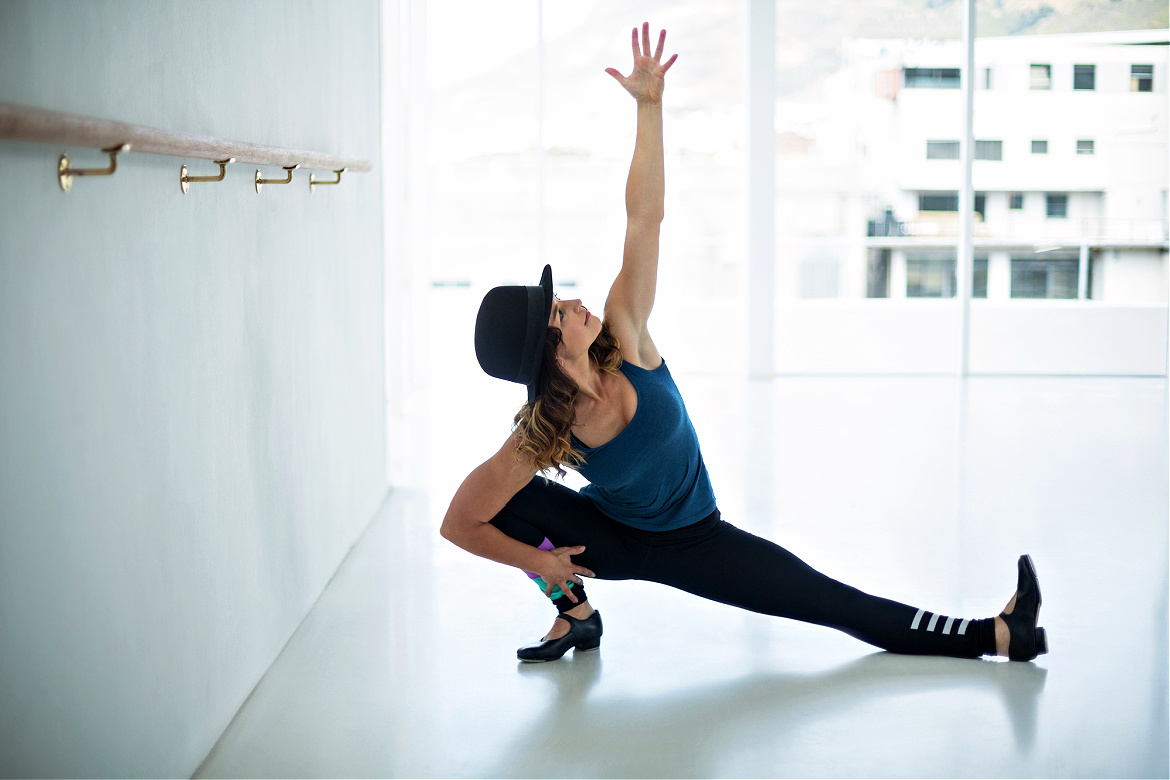
Tap is not just movement. It is music made by the body. That precision sound and speed. Every routine demands that the brain process rhythm, coordinate complex footwork, memorize intricate sequences, and make split-second decisions — all simultaneously.
The motor cortex fires. The cerebellum engages. The hippocampus strengthens. New neural pathways form. This is neuroplasticity in action — the brain’s ability to grow, rewire, and deepen — and tap dancing triggers it like almost nothing else. It’s thrilling to hear and watch.
.
Nobody understood this better than Eleanor Powell.
Powell began dancing at six. She was crowned the World’s Greatest Tap Dancer — a title officially bestowed by the Dance Masters of America in 1965. Fred Astaire, who was not easily impressed, said of her:
“She put ’em down like a man — no ricky-ticky-sissy stuff with Ellie. She really knocked out a tap dance in a class by herself.”
Her films in the 1930s were so celebrated they saved MGM from financial ruin.
Then she walked away. Married. Raised a son. And again — in her late forties — she danced back onto a stage in Las Vegas and kept going. She performed until near the end of her life at 69, still a dancer. She was not done until she was done.
Ann Miller watched Eleanor Powell and caught fire.
Miller began tap dancing at five — not for performance, but for survival. She had rickets, a bone-weakening condition, and tap was prescribed to strengthen her legs. It saved her body. It also lit something in her that never went out.
Her career spanned seven decades. She was known for her machine-gun speed — 500 taps per minute. At 66 she sang and tap-danced to 42nd Street at the opening of Disney MGM Studios. At 75, she performed in Stephen Sondheim’s Follies, receiving rave reviews for her rendition of one song in particular.
“I’m Still Here.”
If ever a song was written for a Sager, that is it.
That is how the Vintage Thread works. Powell lit Miller. Miller kept the fire burning for decades. One Vintage life passed the torch to another — tap to tap, stage to stage, generation to generation and it’s still going on.
You don’t need a spotlight to be part of that lineage. You need a set of taps, a floor, a rhythm, and the willingness to begin.
Your brain is for it.
Age doesn’t matter. You’re a sager.
Tap away!
Thanks – Michael (he, him)
Please share this Daily with others.
This also matters – Playing an Instrument Improves the Vintage Mind.
#2265