The Beauty that Still Remains
by Michael Feeley
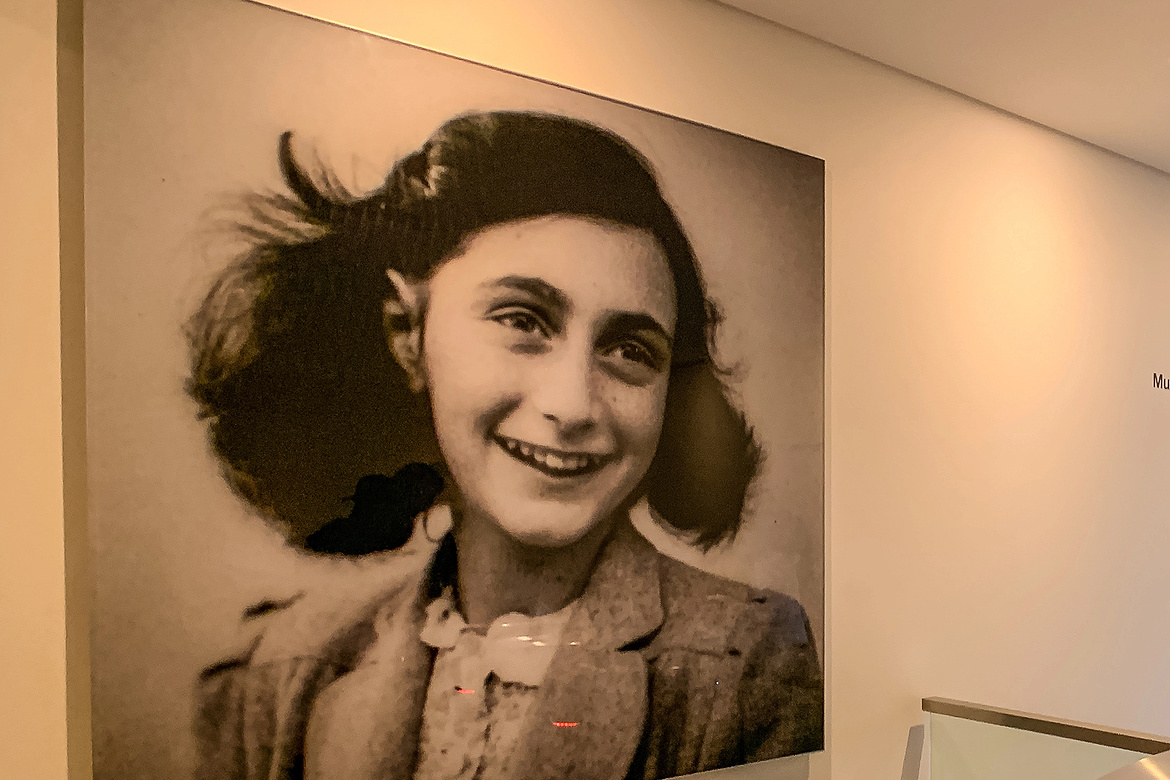
Anne Frank was thirteen when her Jewish family went into hiding from the Nazis. For two years she lived in a few cramped rooms, knowing discovery could mean death. On March 7, 1944, she wrote: “I don’t think about all the misery, but about the beauty that still remains.”
She wasn’t naïve. Her diary records fear, anger, and despair. She saw the misery clearly. She refused to let it be the only thing she saw. That takes courage. It also takes practice.
Our world asks the same of us. War, cultural upheaval, health worries, financial strain. Fear can become a constant background hum. It isn’t wrong; it’s often a reasonable response to real things.
But we have another option, an emotional choice. We can turn our attention toward gratitude and beauty. Morning light on the water. A kind word from a stranger. A friend who calls.
This isn’t denial. It’s balance.
Research supports this. Psychologist Robert Emmons found that people who regularly wrote down what they were grateful for felt more optimistic and better about their lives, and even reported fewer physical complaints. Gratitude, it turns out, is not just a feeling. It is a practice that changes us.
It is one of the great tragedies of war that Anne Frank did not survive. She died of typhus in the Bergen-Belsen concentration camp at fifteen, only two months before it was liberated. But her words lived on. Millions have read them and found courage and wisdom there. That is her gift to us: proof that a mind can stay open to beauty even when the walls close in.
If she could do it there, we can do it here.
Each day, notice three things that are still beautiful. Write them down. Not to ignore the world’s pain, but to meet it with a steadier heart. Watch what happens to the fear.
Thanks – Michael (he, him)
Please share this Daily.
This matters also – Be Accurate about Resentment and Gratitude.
#2463