Elderly. Elder.
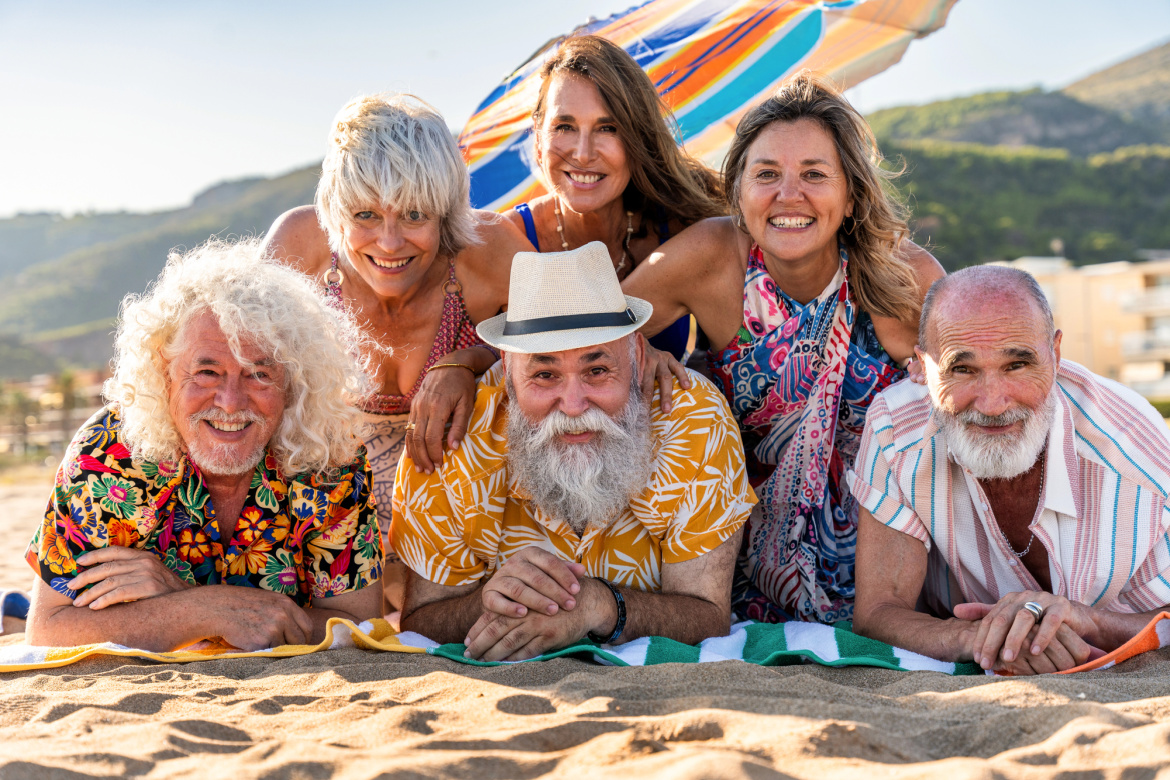
by Michael Feeley
The words are two letters apart. One smothers. The other inspires.
“Elderly” is the word on the hospital chart and in the news story: “an elderly man,” “the elderly.” It sounds cold, unfeeling, and patronizing. It turns a person into a category, someone to be managed and quietly set aside. It chokes the life out of you and all your future possibilities. I’ve always found it insulting.
Major style guides used by journalists and researchers, including the AP and the American Psychological Association, now advise against “elderly” because it stereotypes people and sets them apart from the rest of society.
Words like that don’t just hurt feelings. Yale researcher Becca Levy followed hundreds of people for more than twenty years. Those with more positive views of their own aging lived seven and a half years longer than those with negative views. What we call ourselves can shape how long we live.
Now listen to “Elder.”
In many Native American nations, elders are keepers of story, ceremony and counsel. In many Asian cultures, honoring your elders is a lifelong duty and privilege. Even our phrase “elder statesman” began as a translation of a Japanese word for the senior advisers trusted to guide a nation.
Chip Conley found his word at Airbnb, where he was twice the age of the average employee. People called him the elder, and at first he hated it. Then he claimed it. He became a “modern elder”: someone as curious as they are wise.
That’s the elder I want to be.
No one has ever called me elderly. I’ve been called plenty of other things, but never that.
Maybe it’s because I chose to see myself differently as I aged, and to act differently. The older I get, the more I become my true self. That’s the essence of every word in this series.
What I welcome now is dignity: respect for an entire life of living. And I’m not finished.
The elder tree’s name comes from a different root, but I love it anyway. For centuries, people have gathered its flowers and berries for remedies. It shows up in the hedgerows, asks for little and keeps giving.
An elder doesn’t fade into the background. An elder steps forward.
We are becoming elders, and we bring so much: vast and particular wisdom, skills sharpened by decades, expertise, credentials, and the lessons we paid for in full.
But our greatest asset is heart.
Heart is what turns knowledge into wisdom and experience into guidance. It’s what makes an elder worth listening to.
This series began with a simple idea: the label doesn’t define you. You define the label. Senior. Older. Mature. Pensioner. Sager. Vintager. Elder.
Choose your word. Then fill it with who you are.
So let “elderly” go. Step into “elder.”
Respect your elders, including the one in the mirror.
Thanks – Michael (he, him)
Please share this Daily.
This matters too – Sager.
#2490